
Insights · · 3 min read
Automations Are Assets: Why Every Business Should Be Building Systems It Can Sell
Automations are not just time-savers - they are assets your business owns. What I shared at Business Blueprint about building systems that raise the value of your company.
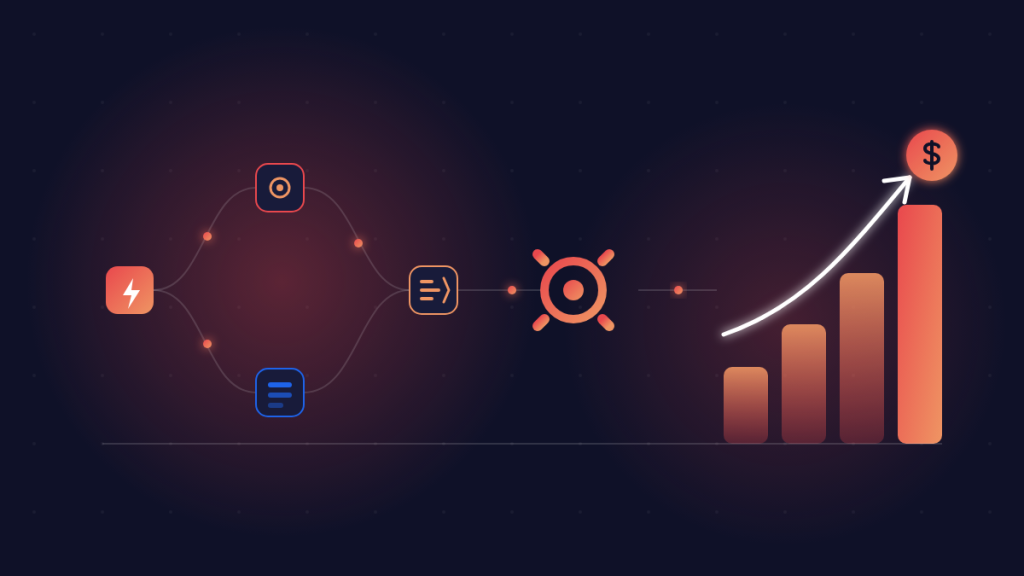
This week I’ve been speaking at Business Blueprint about automation, and one idea kept landing harder than anything else in the room: the automations you build aren’t just time-savers — they’re assets your business owns. And like any asset, they add real, transferable value to your company.
The mindset shift: from expense to asset
Most business owners think about automation the way they think about hiring a casual: “this will save me a few hours a week.” That’s true, but it undersells what’s actually happening. When you automate a process, you’re converting something intangible — the way your business does things, the knowledge in your head and your team’s heads — into a system that runs on its own.
That system doesn’t call in sick. It doesn’t resign and take the process knowledge with it. It executes the same way at 2pm on a Tuesday and 2am on a Sunday. You’ve turned labour into infrastructure.
Why buyers pay more for automated businesses
If you ever plan to sell your business — or even just want the option — this is where it gets interesting. When a buyer looks at a business, the single biggest discount they apply is for owner dependence. If the business only works because you personally chase the leads, send the quotes, follow up the invoices and onboard the clients, then the buyer isn’t purchasing a business — they’re purchasing a job. And jobs don’t command strong multiples.
Automated processes flip that equation. Every workflow you build is documented, repeatable proof that the business runs without you:
- Lead handling that captures, qualifies and routes enquiries the moment they arrive
- Client onboarding that delivers a consistent experience whether you’re in the office or on a plane
- Invoicing and follow-up that protects cash flow without anyone watching a spreadsheet
- Reporting that gives the next owner (or your future self) a dashboard instead of a shoebox of guesswork
Each of those is a small asset. Together, they’re the difference between selling goodwill and selling a machine that predictably produces revenue.
Automations compound
The other thing that makes automation asset-like is compounding. A workflow you build once keeps paying you every week it runs. Build one a month and within a year you have a dozen systems quietly doing work that used to consume your team’s hours — and every one of them frees up capacity to build the next one, or to spend time on the work that actually grows the business.
Compare that with the alternative: throwing more hours at the problem. Hours are spent once and they’re gone. Systems are built once and they stay.
Where to start
You don’t need to automate everything at once. The playbook I shared at Business Blueprint is simple:
- List your repeatable processes. If it happens more than weekly and follows roughly the same steps, it’s a candidate.
- Pick the one that hurts most. Highest frequency, most manual handling, or the one that breaks when someone’s away.
- Build it, then document it. The documentation is part of the asset — it’s what makes the system transferable.
- Repeat. One process a month changes the shape of your business in a year.
Whether you’re planning an exit in five years or just want a business that doesn’t fall over when you take a holiday, start treating automation as what it really is: building assets. Your future self — and your future buyer — will thank you.
Want systems like this in your business?
We build the automations that turn your processes into assets.